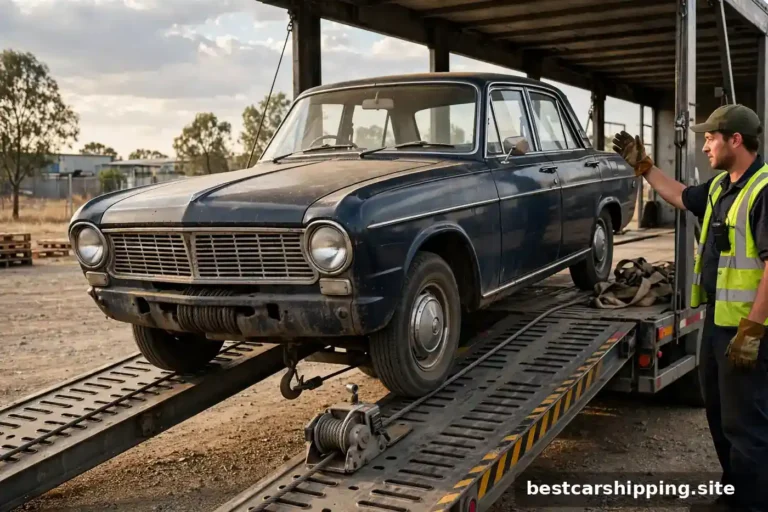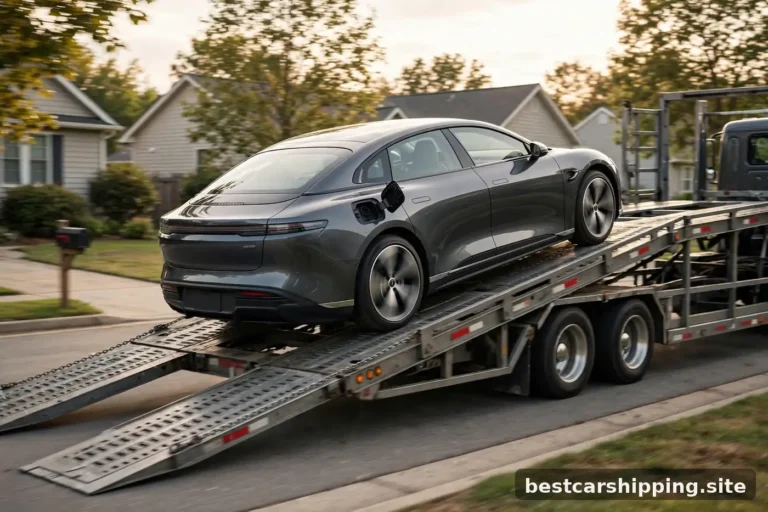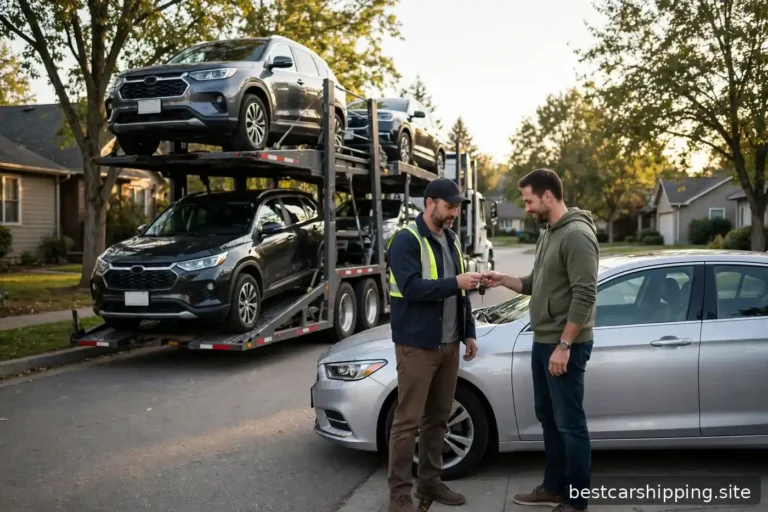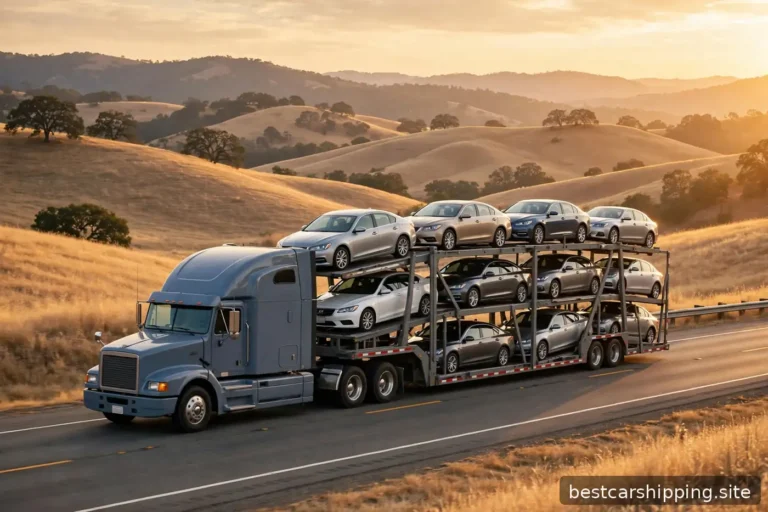
How to Ship a Classic or Luxury Car Safely
Shipping a classic or luxury car comes down to four things: enclosed transport, insurance that reflects the car’s real value, soft tie-downs instead of chains, and thorough photo documentation before pickup. Expect to pay 30–60% more than open transport, and never book a carrier that can’t show you its cargo insurance certificate.
Key takeaways
- Enclosed transport is the standard for classics and luxury cars; it costs roughly 30–60% more than open.
- Standard carrier cargo insurance may not cover your car’s true value — ask about agreed-value coverage.
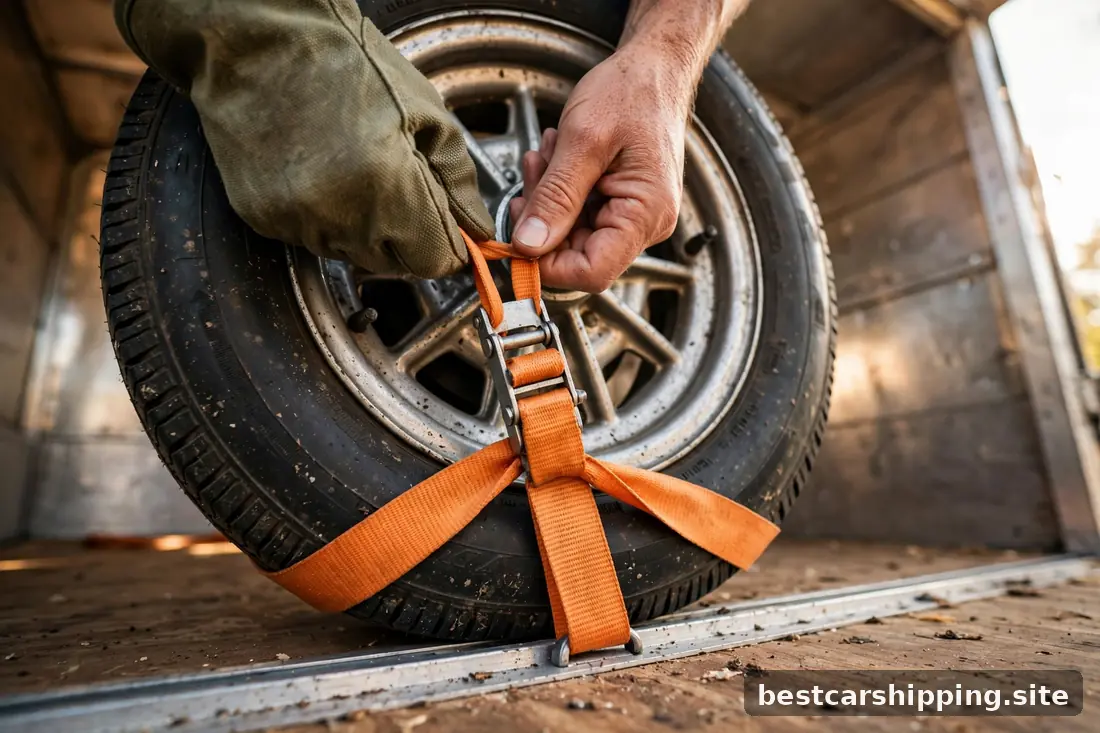
- Insist on soft straps or wheel nets, never chains over the frame.
- Photograph every panel, the interior, the odometer, and the undercarriage before pickup.
- Get the carrier’s name, USDOT number, and insurance certificate before the truck arrives.
Why Classics and Luxury Cars Ship Differently
A daily-driver sedan can shrug off a little road dust on an open trailer. A numbers-matching ’67 Fastback, a low-mileage Porsche 911, or a new S-Class cannot — at least not without you losing sleep over it. The difference isn’t just sentiment. Paint correction on a concours car can cost thousands, a cracked carbon-fiber splitter even more, and replacement parts for rare classics may simply not exist.
Three things make high-value cars riskier to ship on a standard open trailer:
- Exposure. Open trailers leave cars facing road debris, weather, and UV for hundreds of miles. Stone chips that would be a $200 touch-up on a commuter car can mean a $3,000+ panel respray on a luxury finish.
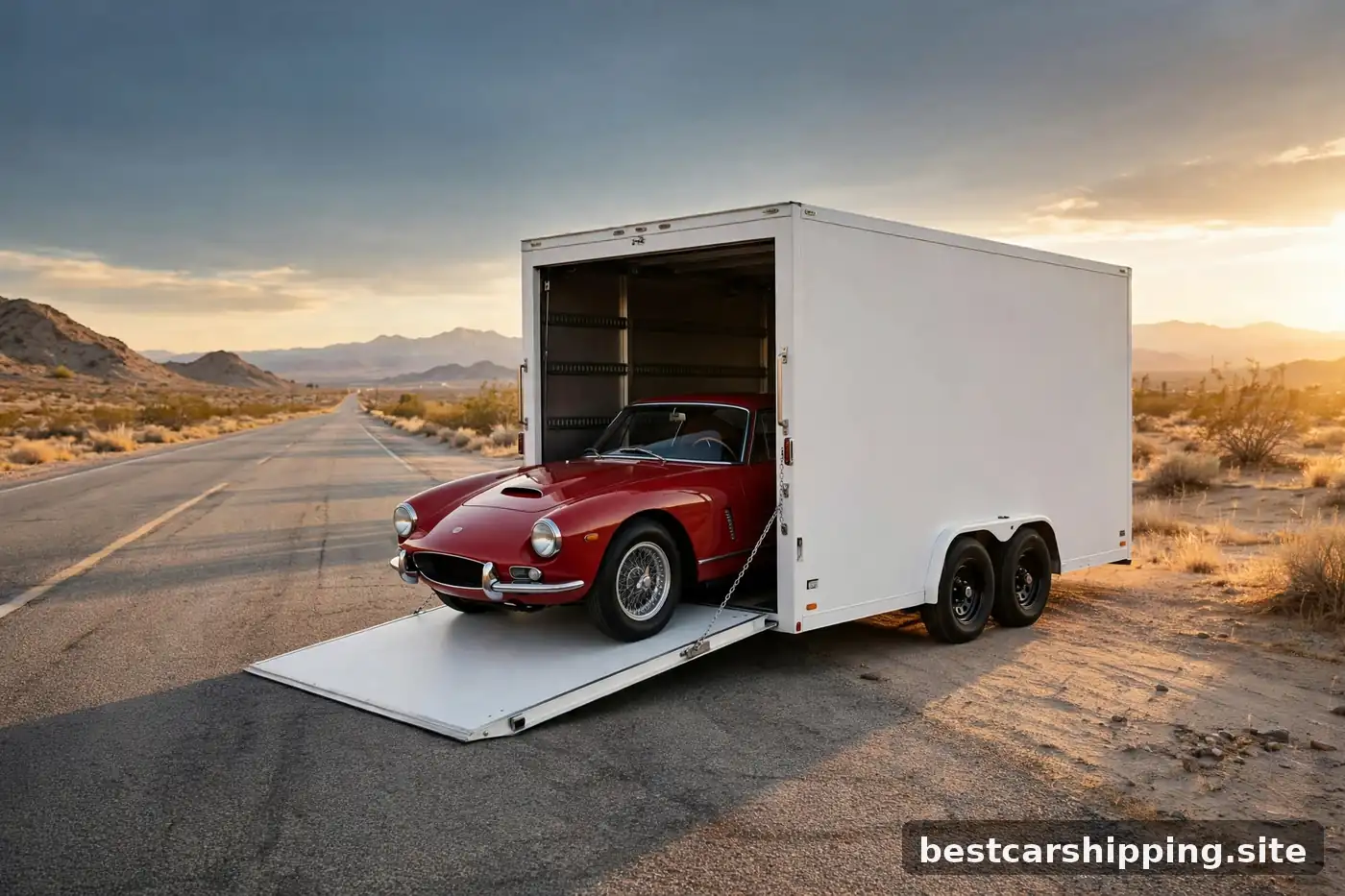
- Clearance. Many sports cars and exotics sit under five inches off the ground. Standard open-trailer ramps can scrape front splitters and side skirts. Enclosed trailers typically have lift gates or low-angle ramps built for this.
- Value concentration. If a carrier’s cargo policy tops out at $100,000 per vehicle and your car is worth $180,000, there’s a gap — and that gap is your problem unless you close it before booking.
None of this means open transport is “unsafe” in some dramatic sense. It means the downside of the rare bad outcome is much bigger, so the extra cost of enclosed shipping buys proportionate protection.
Enclosed vs Open: The Honest Answer
For a classic or luxury car, enclosed transport is the default recommendation, and I’d rarely talk you out of it. Here’s the honest breakdown.
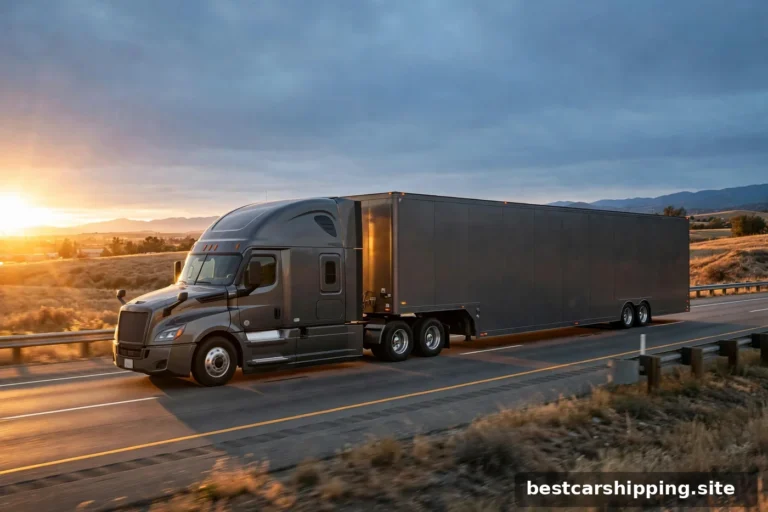
Enclosed transport uses a fully covered trailer — hard-sided or soft-sided — that shields the car from weather, road debris, and prying eyes. Enclosed carriers haul fewer vehicles (typically 2–7 versus 7–10 on open trailers), which means more attention per car and often a more experienced driver. Many enclosed trailers come with hydraulic lift gates, climate control options, and drip pans between decks. The trade-off is price: enclosed shipping typically runs 30–60% more than open transport on the same route, a figure confirmed across multiple 2026 industry pricing guides.
Open transport is how most cars move in America, including brand-new cars going to dealerships. It’s safe for the vast majority of vehicles. For a classic or luxury car, it’s the budget option — but budget and irreplaceable don’t mix well. If your “luxury car” is a three-year-old 5 Series with 60,000 miles, open transport is a perfectly reasonable call. If it’s a garage-kept collectible, don’t.
Soft-sided vs hard-sided enclosed: hard-sided enclosed offers the most protection (full walls, roof, locked). Soft-sided (canvas sides) is slightly cheaper and still blocks most debris and weather. For most classics, either is fine; for six-figure exotics, hard-sided is the standard.
One more consideration: enclosed carriers are scarcer than open carriers, especially on rural routes. Book two to three weeks out minimum — more if you’re shipping during peak season.
For a deeper comparison of the two trailer types, see our guide on open vs enclosed car transport, and if you’re on the fence about the premium, the decision framework in is enclosed transport worth the extra cost? walks through the math.
Insurance: Agreed Value Matters
This is the section most people skip, and it’s the one that matters most if something goes wrong.
Every legitimate carrier has cargo insurance, but “has insurance” and “your car is fully covered” are different statements. Here’s what to verify:
- The coverage limit per vehicle. Ask for the certificate of insurance and check the per-vehicle limit, not just the aggregate. A $1 million aggregate policy might cap individual vehicles at $100,000 or $250,000.
- Whether the value is “agreed” or “actual cash value.” Standard cargo coverage typically pays actual cash value — what the insurer says the car is worth, which for a modified or appreciating classic may be far below its real value. Agreed-value coverage locks in a number you and the insurer accept up front. For classics, this is the gold standard.
- Exclusions. Carrier policies commonly exclude personal items left in the car, pre-existing damage, and sometimes aftermarket parts. Read the exclusions page, not just the coverage page.
- Your own policy. Call your insurer before shipping. Some collector policies (Hagerty-style agreed-value policies) extend to transit; standard auto policies usually don’t cover much during commercial transport. If there’s a gap between the carrier’s limit and your car’s value, ask your insurer about a transit rider or supplemental coverage — it’s often cheaper than you expect.
Get all of this in writing before pickup day. A verbal “yeah, you’re covered” is worth nothing in a claims dispute. Our full breakdown of car shipping insurance covers how to read a cargo certificate and what to do if you need to file a claim.
The Pickup Inspection Playbook
The Bill of Lading is the single most important document in car shipping — it’s the condition report signed at pickup and delivery, and any damage claim lives or dies on what it says. For a high-value car, treat the inspection like a ritual:
- Wash the car first. Dirt hides scratches. A clean car makes pre-existing marks visible and photographable.
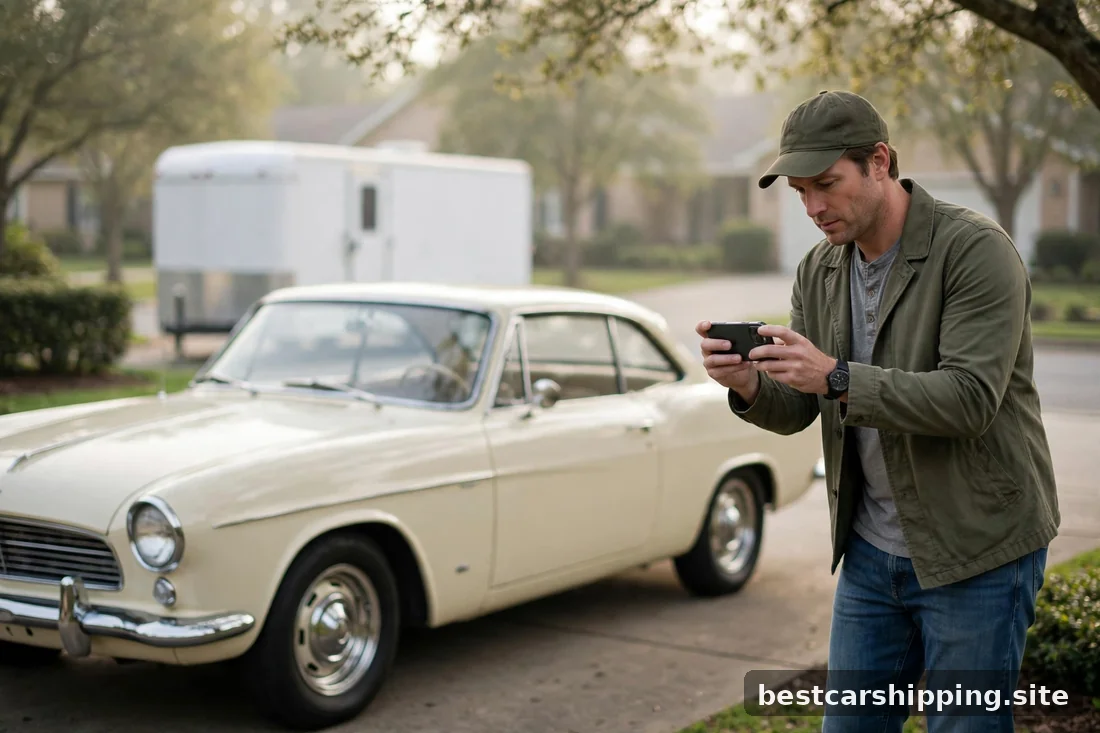
- Photograph everything. Every panel, all four corners, the roof, the hood, the trunk, wheels, glass, mirrors, the interior, the odometer reading, and the undercarriage/front splitter if you can. Use your phone’s timestamp — it is your evidence.
- Note every imperfection on the Bill of Lading. Chips, scratches, dings, curb rash on wheels — if it’s not written down at pickup, the carrier can argue it happened before they touched the car.
- Record the fuel level and disable the alarm. Standard prep, but worth repeating.
- Remove everything detachable. Loose trim, antenna masts, aftermarket spoilers that aren’t bolted down, toll tags. Enclosed trailers are gentler, but vibration is vibration.
- Never sign a blank or incomplete Bill of Lading. If the driver is rushing, slow the process down. This document is your entire leverage.
At delivery, repeat the inspection before you sign — in daylight if at all possible. If you spot new damage, note it on the Bill of Lading before signing and photograph it immediately. Signing “received in good condition” and discovering a scratch the next morning makes claims dramatically harder.
What to Ask the Carrier Before You Book
You don’t need to interrogate anyone, but these questions separate professional enclosed carriers from companies that just own a trailer:
- “Can you send me your cargo insurance certificate, and what’s the per-vehicle limit?” Non-negotiable. If they hedge, walk away.
- “Do you use soft straps/wheel nets or chains?” The answer you want: soft straps over the tires or wheel nets. Chains over the frame or axle are how undercarriages and suspensions get damaged. Many enclosed specialists also use nylon wheel bonnets.
- “Is the trailer hard-sided or soft-sided, and does it have a lift gate?” For low-clearance cars, the lift gate matters more than the walls.
- “How many cars do you haul at once, and will my car stay on the same truck the whole way?” Fewer transfers mean fewer chances for damage.
- “What’s your process if there’s a delay?” Enclosed routes can take longer to fill. Know the pickup window, not just a date.
- “Can I get the driver’s name and USDOT number before pickup?” Legitimate operations share this. Then verify the USDOT number in the FMCSA database — it takes two minutes.
Also confirm the practical details: does the trailer fit your car’s dimensions (some lifted or extra-wide vehicles need special arrangements), and is there a surcharge for inoperable vehicles if the car doesn’t run (winch loading typically adds around $150).
Cost Ranges for Classic and Luxury Shipping
Enclosed transport for a standard sedan runs roughly 30–60% above open transport on the same route. Using 2026 national averages for open transport as a baseline:
| Distance | Open (sedan) | Enclosed (est.) |
|---|---|---|
| Under 500 miles | $400–$700 | $700–$1,100 |
| 500–1,000 miles | $700–$1,000 | $1,100–$1,500 |
| 1,000–1,500 miles | $800–$1,200 | $1,300–$1,800 |
| 1,500–2,500 miles | $1,000–$1,500 | $1,600–$2,400 |
| Coast-to-coast (2,500+) | $1,100–$1,700 | $1,800–$3,000+ |
These are industry-average ranges from CitizenShipper’s 2026 cost guide — your quote will vary with route, season, and vehicle size. Larger luxury SUVs add roughly $100–$450 over sedan pricing, and rural pickup or delivery can add $150–$300.
For a classic worth real money, don’t optimize for the lowest quote. A carrier that’s $200 cheaper but can’t show you an insurance certificate isn’t a bargain — it’s a risk you didn’t price. Get three quotes, compare what’s actually included, and pick the operator that answers the questions above cleanly.
FAQ
Is enclosed transport really necessary for a luxury car?
For a high-value, low-clearance, or irreplaceable car — yes, it’s the standard recommendation. For a late-model luxury daily driver with normal mileage, open transport is a reasonable way to save 30–60%. Match the protection to the car’s value and replaceability.
What is agreed-value insurance, and do I need it?
Agreed-value coverage locks in your car’s insured value before shipping, rather than letting an adjuster decide “actual cash value” after a loss. For classics, modified cars, and anything appreciating, it’s strongly recommended — standard cargo limits may not reflect the car’s true worth.
Should the car be operable for enclosed shipping?
It doesn’t have to be, but inoperable vehicles need winch loading and cost extra (typically around $150). Tell the broker upfront — a carrier that shows up without a winch for a non-running car will either refuse the load or reschedule you.
Can I leave personal items in a classic car during shipping?
Don’t. Carrier insurance excludes personal belongings, and extra items add weight and theft risk. Ship the car empty except for standard equipment.
How far in advance should I book enclosed transport?
At least two to three weeks. Enclosed carriers are fewer in number than open carriers, and the good ones fill their trailers early — especially on popular routes and in summer.