Shipping an Electric Vehicle: Battery Rules and Costs
Shipping an EV costs more than a gas car — battery weight is the reason. Expect a $200–$500 premium, a 20–50% charge requirement, and soft tie-down handling.
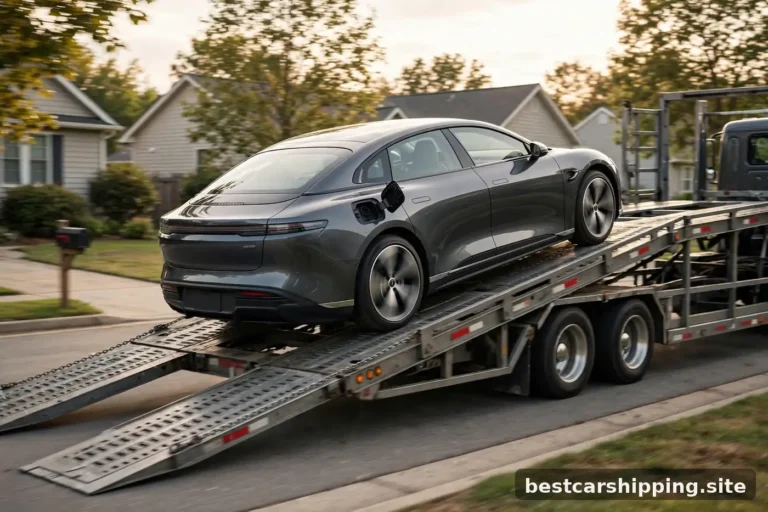
Shipping an EV costs more than a gas car — battery weight is the reason. Expect a $200–$500 premium, a 20–50% charge requirement, and soft tie-down handling.

Shipping a classic or luxury car takes enclosed transport, agreed-value insurance, soft tie-downs, and detailed photo documentation. Here’s the full playbook.
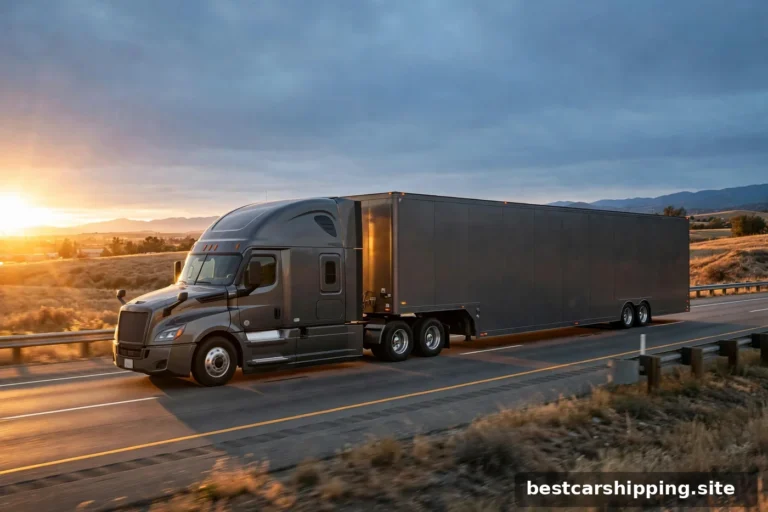
Enclosed transport costs 30–60% more than open. Worth it for classics, exotics, and high-value cars — overkill for most daily drivers. The honest framework.

A non-running car costs ~$150 extra to ship and needs a winch-equipped carrier. What counts as inoperable, how loading works, and the disclosure rule to follow.

Door-to-door is the convenient default; terminal-to-terminal can save money if hubs are near you. Learn what door-to-door really means and when each option.
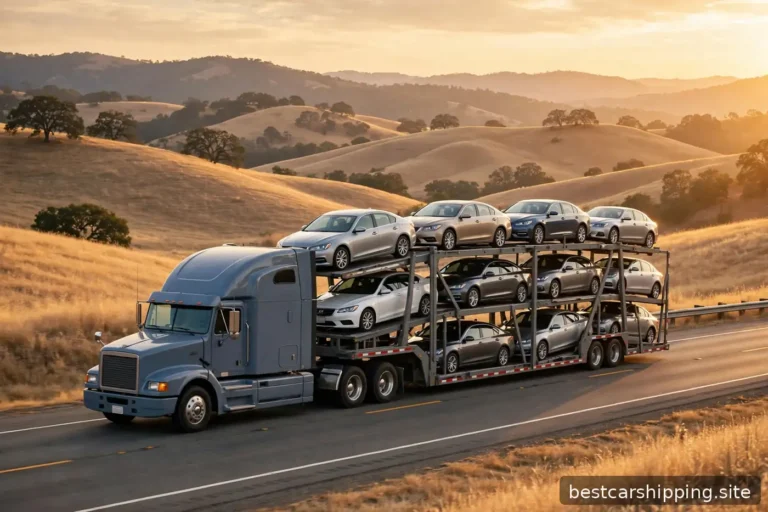
Open transport costs 30 to 60 percent less than enclosed and suits most daily drivers. Enclosed protects against weather and road debris. Here is how to.