How Much Does It Cost to Ship a Car in 2026?
# How Much Does It Cost to Ship a Car in 2026?
Shipping a car within the continental US in 2026 typically costs $400 to $1,700 on an open carrier, depending on distance. Short trips under 500 miles run $400–$700, while coast-to-coast moves land around $1,100–$1,700. Enclosed transport adds roughly 30–60% on top of those numbers.
Key takeaways
- Distance drives your price more than anything else — but per-mile cost falls as the trip gets longer.
- Enclosed transport typically costs 30–60% more than open transport on the same route.
- Vehicle size, route popularity, season, operability, and how far ahead you book all move the number.
- Book at least two weeks ahead, stay flexible on dates, and compare 3–5 quotes to get a fair price.
Cost by distance: the 2026 numbers
The table below shows typical 2026 ranges for a standard, operable sedan shipped door-to-door in a normal season. These are national industry averages compiled from recent 2026 pricing guides and carrier market data — your exact quote will land somewhere inside or near these bands depending on your route.
| Distance | Open transport | Enclosed transport | Typical per-mile rate |
|---|---|---|---|
| Under 500 miles | $400–$700 | $700–$1,100 | $1.00–$2.00 |
| 500–1,000 miles | $700–$1,000 | $1,100–$1,500 | $0.75–$1.25 |
| 1,000–1,500 miles | $800–$1,200 | $1,300–$1,800 | $0.60–$1.00 |
| 1,500–2,500 miles | $1,000–$1,500 | $1,600–$2,400 | $0.45–$0.80 |
| Coast-to-coast (2,500+ miles) | $1,100–$1,700 | $1,800–$3,000+ | $0.45–$0.70 |
These bands line up closely across the independent 2026 pricing guides that publish them — see CitizenShipper’s 2026 cost breakdown and Easy Storage Search’s car shipping cost calculator, which track the same tiers and per-mile logic.
A few honest caveats before you budget around the table:
- It’s a sedan price. SUVs, pickups, and vans cost more — usually $100–$450 extra — because they take up more deck space and weigh more.
- It’s a normal-season price. Summer moves and snowbird-season routes (northern states to Florida and Arizona in fall) run higher.
- It’s a door-to-door price on a popular-ish route. Remote pickups can add $150–$300 in deadhead miles, and rural routes have fewer competing carriers.
- It’s not a promise. Quotes are estimates of what carriers will accept for your specific car, on your specific route, on your specific dates. If a quote falls way outside these bands, that’s worth questioning — either way.
Moving a car across state lines specifically? Our step-by-step guide to shipping a car to another state walks through the full process with cost expectations.
Why the per-mile rate drops with distance
This is the part that confuses first-time shippers: a 300-mile shipment can work out to $1.50 or more per mile, while a 2,700-mile coast-to-coast run can cost about $0.50 per mile. The total is still higher for the long trip — but the per-mile number is dramatically lower.
The reason is fixed cost. Every shipment carries the same fixed workload for the carrier: dispatching, scheduling, driving to your pickup, the pickup inspection, paperwork, driving to the delivery point, the delivery inspection, and un-insuring the liability window. On a short haul, all of that gets spread across a few hundred miles. On a cross-country run, the same fixed work gets spread across 2,500+ miles, so each mile carries less of the overhead.
That pattern also explains why comparing quotes purely on per-mile rate misleads. A $2.10-per-mile short haul and a $0.60-per-mile long haul can both be fair prices. Compare totals for your actual route — that’s the only number that matters. For the full deep-dive on coast-to-coast pricing specifically, see our guide to cross-country car shipping costs.
Open vs enclosed: the biggest price choice
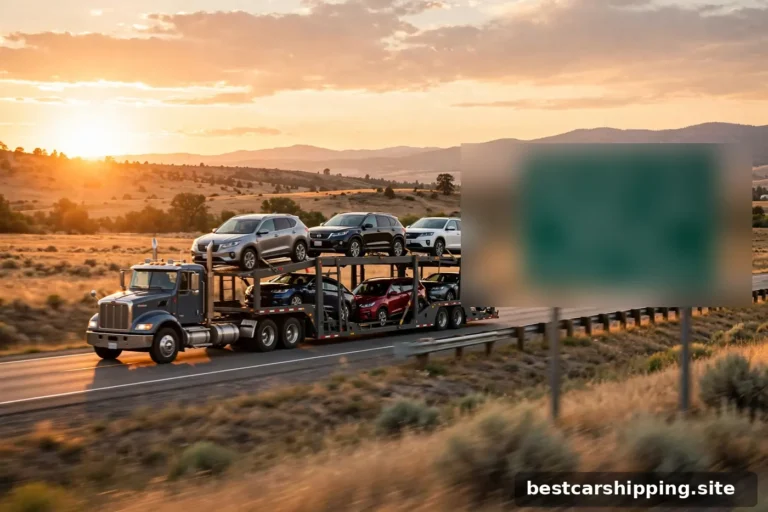
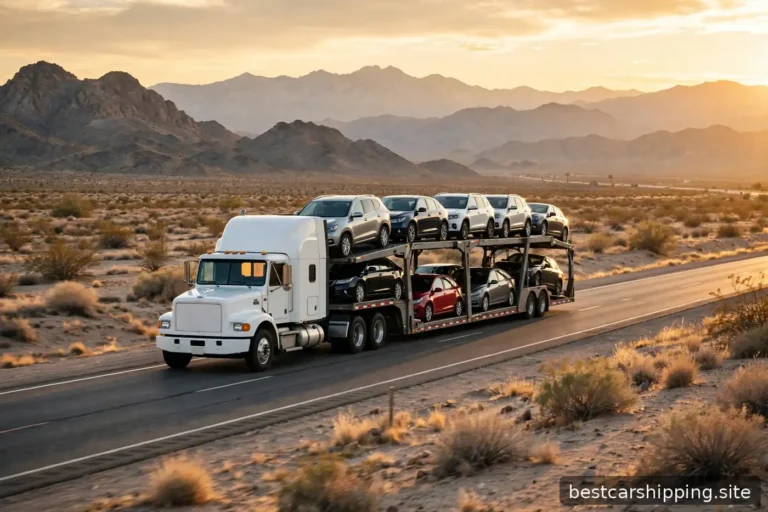
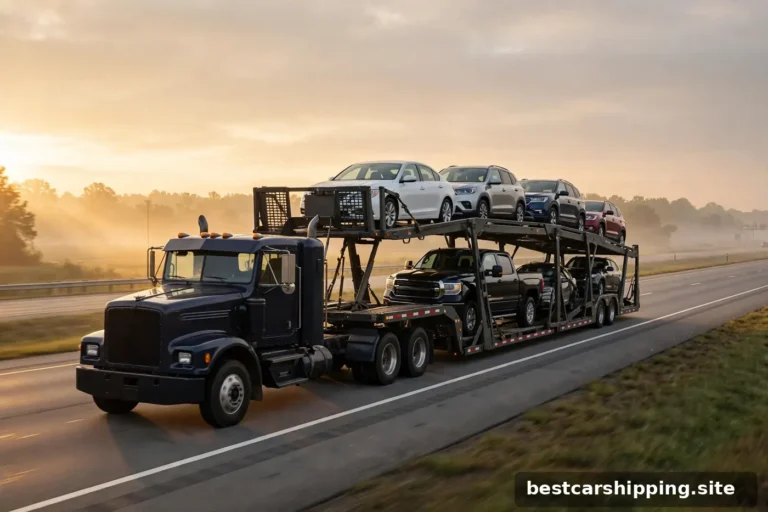
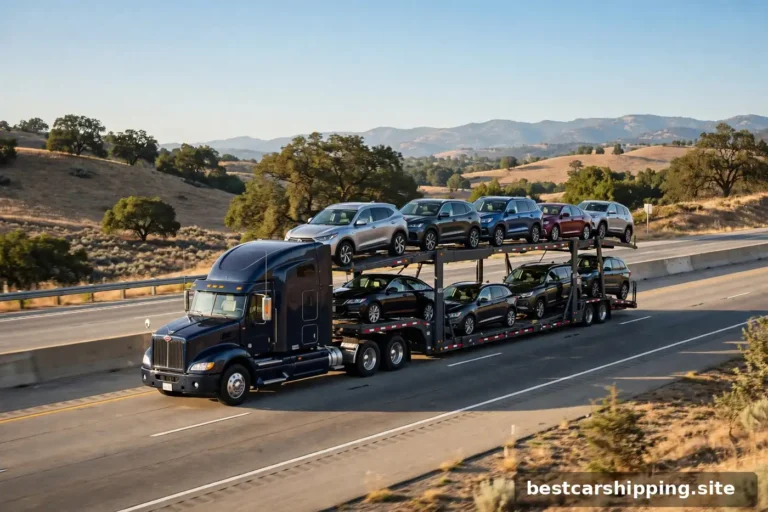
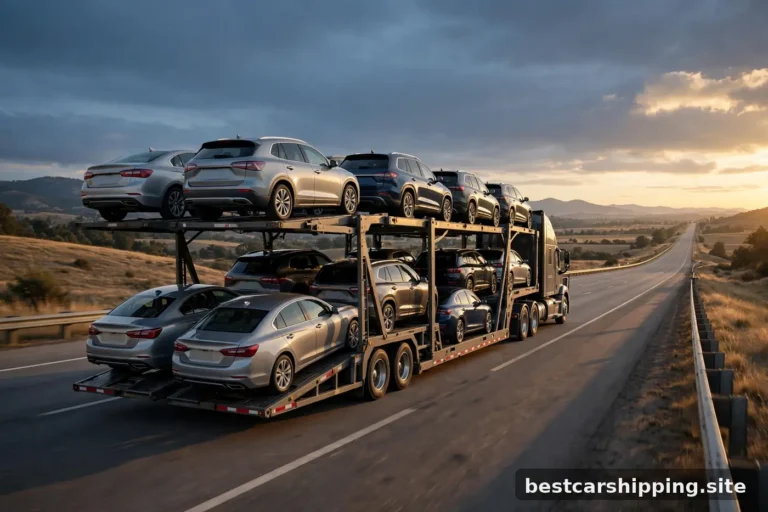
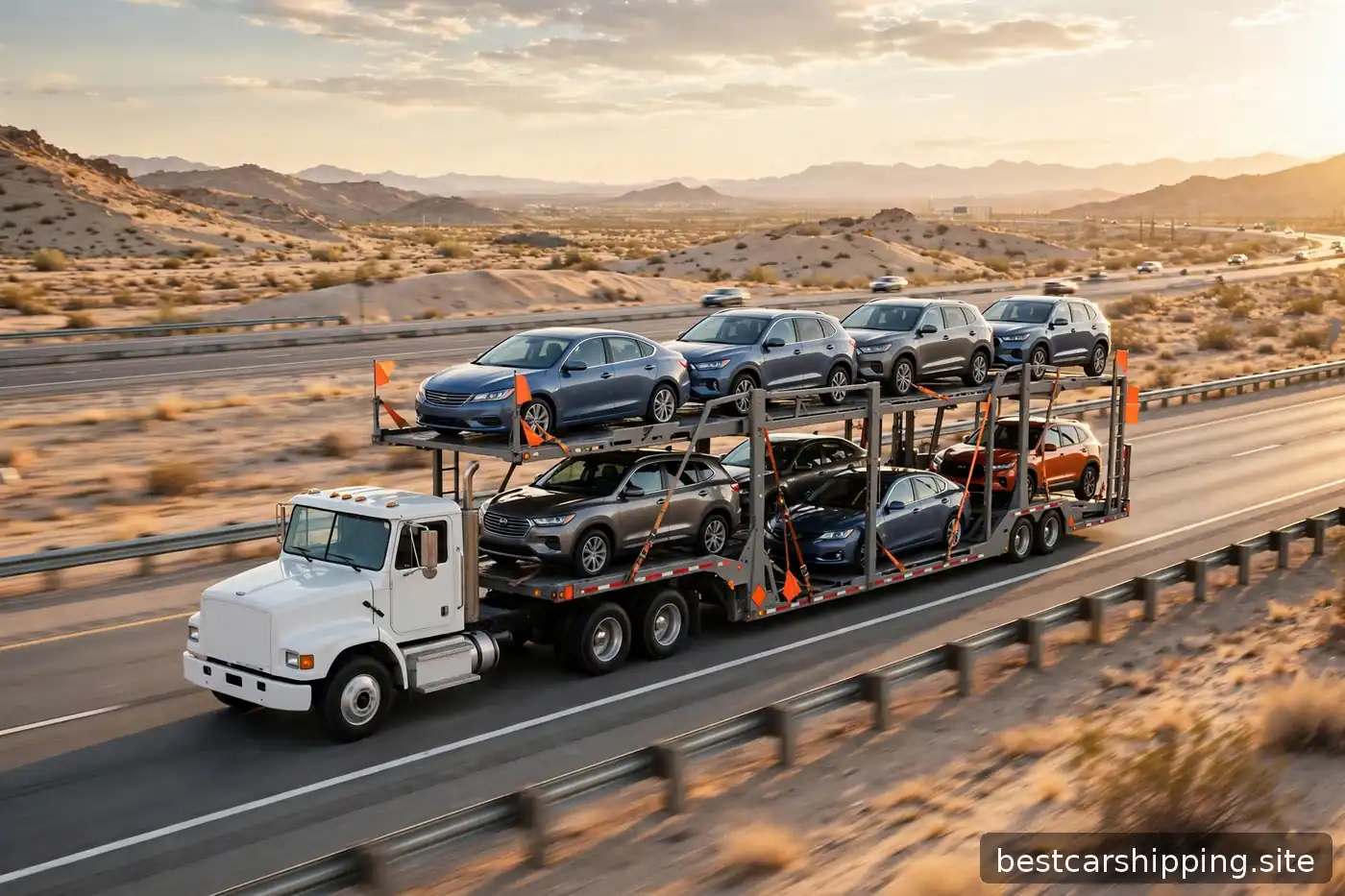
The single biggest decision that affects your quote is the trailer type. Open transport — the multi-level open-air trailers you see delivering new cars to dealerships — is the industry standard and the cheapest option. Your car is exposed to weather and road dust, much like when you drive it yourself.
Enclosed transport puts your car inside a covered trailer, shielded from weather, dust, and road debris, often with liftgates instead of ramps for low-clearance vehicles. Because enclosed trailers carry fewer cars and there are fewer enclosed trucks on the road, you pay a premium: typically 30–60% more than open transport on the same route, and you may wait a little longer for a truck.
For a standard daily driver, open transport is what most cars ship on — including brand-new cars fresh from the factory. Enclosed makes sense for classic, exotic, luxury, and low-clearance vehicles where extra protection matters more than price. We break the whole decision down in open vs enclosed car transport: which should you choose?
9 things that move your price
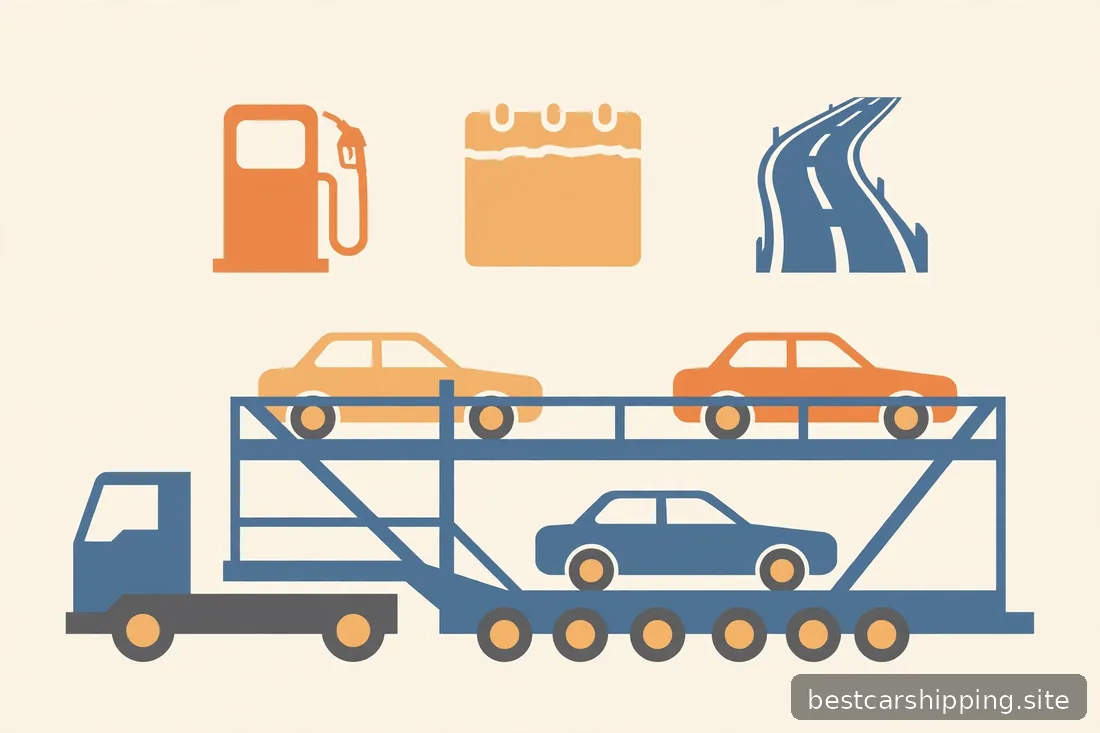
Beyond distance and trailer type, these are the levers carriers actually price on:
- Vehicle size and weight. Larger and heavier vehicles cost more. Compact sedans are cheapest to ship; SUVs, pickups, vans, and lifted trucks take more deck space and add fuel burn.
- Route popularity. Major metro-to-metro corridors (Los Angeles to Dallas, Miami to New York, Chicago to Atlanta) see frequent carrier traffic and more competition, which holds prices down. Thin rural routes cost more.
- Pickup and delivery locations. Urban areas near major highways are cheapest. Remote or hard-to-access locations can add $150–$300 because the driver has to deadhead off the main freight route.
- Season. Summer is peak moving season and the most expensive. Snowbird routes spike in fall and winter. Spring and fall generally offer the most balanced pricing.
- Operability. A car that doesn’t run has to be winched on and off the trailer, which usually adds about $150. If it doesn’t brake, steer, or roll, it may need special equipment and cost more.
- Vehicle modifications. Lift kits, oversized tires, roof racks, and lowered suspensions can require special handling or take up extra space.
- Booking lead time. Booking at least two weeks ahead lets more carriers bid on your job, which tends to lower the price. Last-minute bookings cost more.
- Date flexibility. A flexible pickup window makes your car easier to fit into a carrier’s route, which carriers reward with better pricing.
- Fuel prices. Diesel costs flow straight into carrier operating costs, so sustained fuel-price moves eventually show up in quotes.
For the full exploration of each driver, see what affects your car shipping price — that’s our dedicated guide to all nine.

How to pay less without getting burned
Honest savings, no sketchiness:
- Ship open, not enclosed, unless your car genuinely needs the protection.
- Book two weeks or more ahead. The bidding benefit maxes out around two weeks — you don’t need to book months early.
- Stay flexible on pickup dates. A 3–5 day window is the industry norm and gets you better pricing than a guaranteed single day.
- Meet the carrier near a major highway or city if you live somewhere rural — drivers love jobs that don’t require detours.
- Ship in the off-peak season if your schedule allows. Spring and fall are the sweet spots.
- Consider terminal-to-terminal if there’s a terminal near you — it can shave the door-to-door premium.
What not to do: don’t just take the cheapest quote you find. A quote far below the going rate often can’t attract a carrier, which leads to delays — or a price increase after you’ve booked and put down a deposit. That’s the classic bait-and-switch pattern. Move.org’s guide to the cheapest way to ship a car makes the same point: get 3–5 quotes and be suspicious of the outlier at the bottom.
And whatever you do, verify the company before you book. Look up their USDOT or MC number on the FMCSA’s company snapshot lookup to confirm their authority is active — a step Easy Storage Search’s choosing-a-company checklist also recommends. We cover the full verification process in car shipping scams and red flags to watch for.
Frequently asked questions
What’s the average cost to ship a car?
For a standard sedan on an open carrier, most domestic shipments land between $500 and $1,500, with the average trip costing roughly $900–$1,100. Your position in that band depends almost entirely on distance, vehicle size, route, and season.
Why do quotes for the same route vary so much?
Because carriers price on route fit, not just mileage. A carrier that already runs your corridor with an empty spot will quote less than one that has to deadhead to reach you. Brokers also estimate what they think carriers will accept — and some estimate lower than reality to win your booking. That variance is exactly why comparing 3–5 quotes matters.
Is it cheaper to ship a car or drive it?
For short moves, driving is almost always cheaper. For long ones, the gap closes: a cross-country drive means fuel, hotels, meals, wear, and days of your time — often roughly what an open-carrier shipment costs, plus you keep thousands of miles off the odometer. Shipping also lets you fly instead.
Does car shipping insurance cost extra?
Carrier cargo insurance is normally included in the quote — but verify the coverage limit and exclusions before you book, because carrier policies don’t cover personal belongings left in the car or pre-existing damage. See our car shipping insurance guide for what’s covered and what’s not.
How far in advance should I book?
Two weeks is the sweet spot for most routes — more carriers bid on your job, and prices trend lower. Book earlier for peak summer moves, snowbird season, or enclosed transport, where fewer trucks are available.
Can I put stuff in my car during shipping?
Most companies allow a small amount — often up to about 100 pounds in the trunk — but carrier insurance doesn’t cover personal items, and some carriers prohibit them entirely. Remove toll tags too; transponders can rack up charges while the car rides the trailer.
The honest bottom line: shipping a car is a commodity service with real, checkable prices. Distance sets the band, your car and route set your position in it, and an informed comparison of a few quotes gets you a fair deal. If you want the fastest way to sanity-check a number you’re holding, compare it against the table at the top of this page — that’s what it’s for.