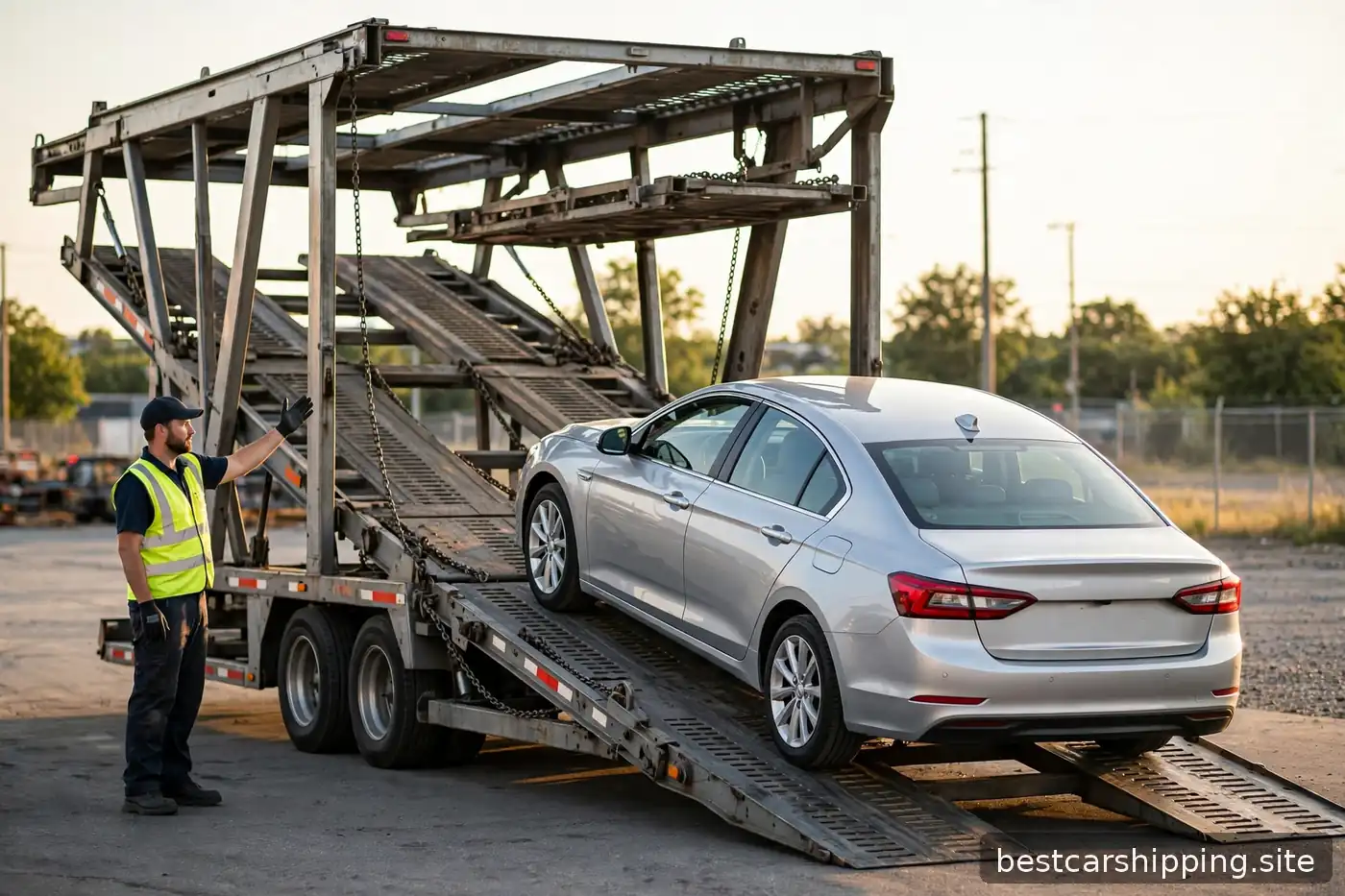
How to Prepare Your Car for Shipping: Checklist
# How to Prepare Your Car for Shipping: Checklist
Preparing your car for shipping takes about an hour and prevents nearly every avoidable problem in auto transport — surprise fees, damage-claim disputes, dead batteries, and alarms going off for 2,000 miles. Here’s the full checklist, in the order that makes sense on pickup day.
Key takeaways
- Wash the car and take dated photos of every panel before pickup — this is your damage-claim evidence.
- Remove personal items (carrier insurance doesn’t cover them) and take out toll tags.
- Leave about a quarter tank of fuel; check tires, battery, and alarms.
- Never sign a blank or pre-filled Bill of Lading — inspect with the driver and note everything.
The complete checklist
Work through these a day or two before pickup, not the morning of:
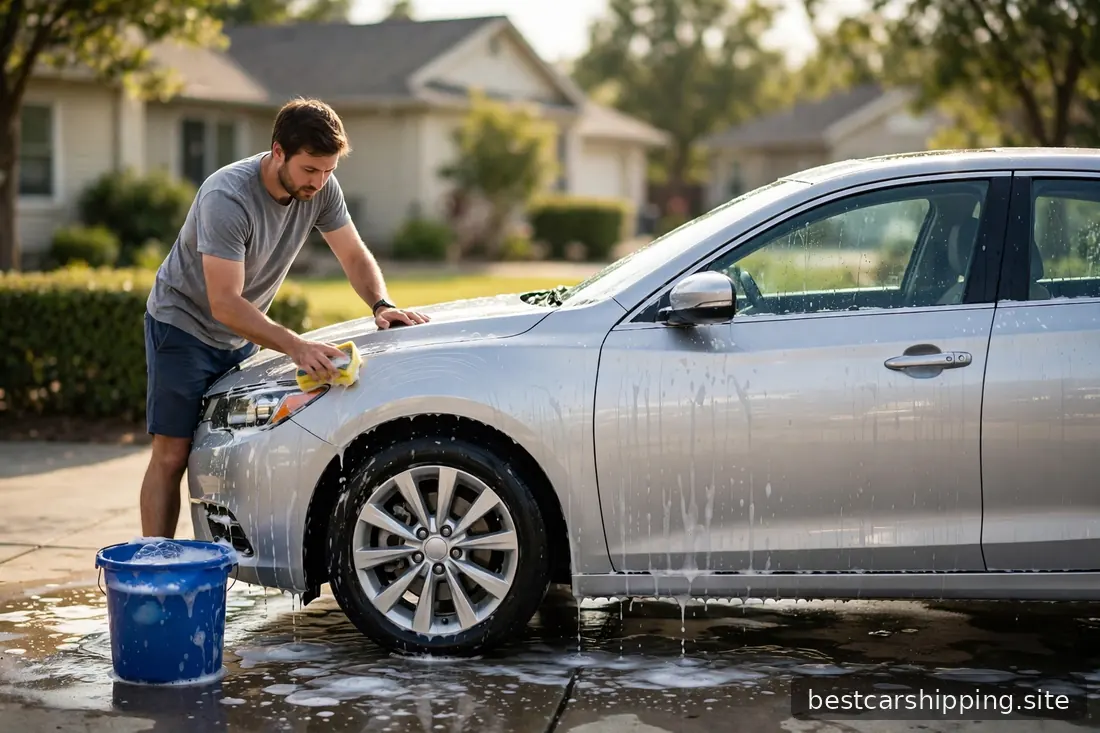
- Wash the car. A clean car shows every scratch, ding, and chip. A dirty car hides them — and hidden damage at pickup becomes disputed damage at delivery.
- Photograph everything. All four sides, front and rear, roof, wheels, bumpers, interior, odometer, and any existing damage close-up. Use your phone — the photos are automatically dated. Take more than you think you need.
- Remove personal items. Take everything out of the cabin and trunk. Carrier cargo insurance does not cover personal belongings — if they vanish or break, you have no claim.
- Remove toll tags and parking passes. Transponders (E-ZPass, SunPass, TxTag, and the rest) can rack up toll charges while your car rides the trailer through toll zones. Take them off or put them in the RFID-blocking bag.
- Leave about a quarter tank of fuel. Enough for loading, unloading, and short drives at each end — not a full tank, which just adds weight. (Shipping an EV? Leave a moderate charge and pack the charging cable.)
- Check tires and battery. Properly inflated tires and a healthy battery prevent loading problems. A car that won’t start at pickup becomes an inoperable-vehicle surcharge on the spot.
- Fold in mirrors, retract the antenna. Anything protruding is something that can catch.
- Disable the alarm. Or at minimum, show the driver how to disarm it and leave written instructions. A car alarm cycling for days is miserable for everyone and some drivers will disconnect the battery to stop it — creating new problems.
- Remove or secure loose exterior accessories. Bike racks, spoilers, aftermarket add-ons, loose trim — remove what you can, secure what you can’t. Carriers aren’t liable for aftermarket parts that detach.
- Note mechanical quirks for the driver. Sticky ignition, a trick to the parking brake, a door that needs a special touch — write it down and hand it to the driver.
- Gather documents and keys. Photo ID, and all sets of keys the driver will need (ignition, trunk, locking fuel cap, wheel locks — with the wheel-lock key). Keep a spare set yourself.
- Confirm pickup logistics. Exact meeting address, your phone number, the pickup window, and who the driver calls. Keep your phone charged and on.
This checklist mirrors the preparation guidance published in 2026 by Easy Storage Search — wash, dated photos, remove items and toll tags, quarter tank, check tires and battery, disable the alarm — because it’s the industry-standard sequence that actually works.
Why the wash and photos matter most
If you do nothing else on this list, do these two. They’re the foundation of every successful damage claim — and the reason most failed claims fail.
At pickup, you and the driver walk around the car together and mark every existing scratch, ding, dent, and chip on the Bill of Lading’s condition diagram. At delivery, you compare. Anything new is the carrier’s responsibility. But that comparison only works if the pickup inspection was accurate — and accuracy requires a clean car and good light.
Your own photos are the backup layer. Take them in daylight, from consistent angles, close enough to show detail. Include:
- All four sides at standing height, plus front and rear three-quarter views
- The roof (use a step stool — roof damage is the most commonly missed)
- Each wheel and bumper
- Close-ups of every existing scratch, ding, or paint chip
- The interior (seats, dash) and the odometer reading
- The undercarriage only if you can do it safely — skip it otherwise
Email the photos to yourself or back them up to the cloud before pickup day. A phone lost in a move takes your evidence with it.
One more thing people skip: photograph the car at delivery before you sign anything. The delivery inspection is your one chance to note new damage while the driver is standing there. After you sign a clean Bill of Lading, proving later damage happened in transit becomes very difficult. Our Bill of Lading guide walks through exactly what to check and what never to sign.
Personal items: the rules
The short version: take everything out. The longer version has some nuance:
- Carrier insurance excludes personal belongings. Full stop. Anything left in the car travels at your own risk — theft, damage, loss, all of it.
- Many carriers allow up to ~100 pounds in the trunk, but policies vary widely and some prohibit items entirely. Ask your specific broker/carrier — don’t assume.
- Weight matters. Carriers price partly on weight, and FMCSA weight limits are real. A car stuffed with household goods can cause problems at weigh stations — and gives the carrier grounds to refuse the load.
- No hazardous materials. Ever. No fuel cans, no propane, no chemicals, no firearms (check carrier policy and state laws — generally don’t).
- The 100-pound allowance, where it exists, means soft items in the trunk — clothes, bedding. Not electronics, not valuables, not anything you’d miss.
The cleanest approach: empty the car completely. If you must leave the trunk allowance’s worth of soft goods, photograph them too, keep the list, and understand you’re self-insuring.
Fuel, battery, tires, and mechanical prep
- Fuel: about a quarter tank. The carrier needs to drive the car on and off the trailer and reposition it at terminals. A quarter tank covers that with margin. A full tank adds ~100 pounds of dead weight for no benefit.
- Battery: charged and healthy. A weak battery that dies between pickup scheduling and loading day turns your operable car into an inoperable one — with the surcharge to match. If the battery is marginal, replace it before shipping; it’s cheaper than the alternative.
- Tires: properly inflated, no slow leaks. Flat-spotted or leaking tires complicate loading and can damage wheels on the trailer deck.
- Fluids: check for leaks. A car dripping oil or coolant onto the trailer deck — and potentially onto the car below yours — is a problem. Fix active leaks before shipping.
- Convertible tops: closed and secured. If the top has any doubt about staying shut, enclosed transport or a secured hardtop is worth considering.
- Alarm: disabled. Worth repeating because it’s the most common pickup-day annoyance. If you can’t fully disable it, give the driver the disarm procedure in writing and make sure it actually works.
For inoperable vehicles — cars that don’t run, brake, or steer — the prep is different: disclose the exact condition honestly when booking (surprises at pickup mean re-quoting or refusal), and expect the winch surcharge of roughly $150. See our guide to shipping an inoperable car for the full picture.
Paperwork and keys
You don’t need much, but you need it ready:
- Photo ID for the person releasing the car.
- Keys — all of them: ignition, doors, trunk, glove box, locking fuel cap, and the wheel-lock key if your wheels use locks. Drivers can’t load a car they can’t unlock, and a missing wheel-lock key at delivery is a special kind of frustration.
- Title or registration copy — not always required for domestic shipments, but some brokers ask, and it’s essential if there’s any ownership question.
- Lienholder info — if you’re still paying off the car, most lenders are fine with transport, but check your loan terms. Some require notification.
- Authorization letter — if someone other than the owner is releasing or receiving the car, a signed letter authorizing them avoids pickup-day arguments.
Keep copies of everything for yourself. The Bill of Lading the driver brings is the shipment’s legal document — read it before signing, verify the condition markings match what you both saw, and never sign a blank one.
Pickup day: what actually happens
So the checklist connects to reality, here’s the pickup sequence:
- The driver calls — usually the day before or morning-of — with an estimated arrival time and the meeting spot (your address or the nearest truck-safe location).
- You meet with the car prepped, documents and keys in hand, phone charged.
- The walkaround. You and the driver inspect the car together in good light, marking existing damage on the Bill of Lading’s vehicle diagram. Take your time. This is the most important ten minutes of the shipment.
- You sign, the driver signs. Each of you keeps a copy. Photograph the signed Bill of Lading with your phone.
- You hand over the keys and the car is loaded. Confirm the driver’s phone number and the broker’s update process.
- At delivery, the process reverses. Inspect before signing. Compare against the pickup photos and Bill of Lading. Note any new damage on the document while the driver is present — this is non-negotiable — then pay the balance and take your keys.
If new damage appears: document it with photos immediately, note it on the Bill of Lading before signing, notify the broker in writing the same day, and file the claim against the carrier’s cargo insurance. Speed and paperwork win claims; delay and verbal complaints lose them.
Frequently asked questions
Should I empty the gas tank completely?
No — leave about a quarter tank. The car needs fuel for loading, unloading, and short positioning drives. Empty risks a dead-at-delivery embarrassment; full just adds weight.
Can I leave my E-ZPass / SunPass in the car?
Take it out. Toll transponders read at toll plazas whether you’re driving or riding on a trailer, and carriers won’t reimburse the charges. This is one of the most common (and most avoidable) surprise costs in car shipping.
Do I need to be there for pickup?
You or a designated adult must be — someone has to do the inspection walkthrough and sign the Bill of Lading. The pickup and delivery contacts can be different people, which helps if you’re traveling.
What if it rains on pickup day?
The inspection still happens — just do it under cover if possible (a gas station canopy works) and be extra careful with the condition markings, since wet paint hides scratches. Your pre-pickup photos, taken in good conditions, become even more valuable.
Should I get the car serviced before shipping?
A basic check — fluids, battery, tires, no active leaks — yes. A full service interval early just for shipping — no. The car will sit mostly stationary for days; what matters is that it starts, steers, brakes, and doesn’t leak.
Can I ship a car with a cracked windshield?
Yes, generally — disclose it at booking and make sure it’s noted on the Bill of Lading. Be aware that temperature swings and road vibration in transit can extend a crack, so consider repairing it first if it’s in the driver’s sightline.
An hour of prep buys you a smooth shipment and a winnable damage claim if anything goes wrong. Wash it, photograph it, empty it, quarter-tank it, silence the alarm — and never sign paperwork you haven’t read. That’s the whole game.