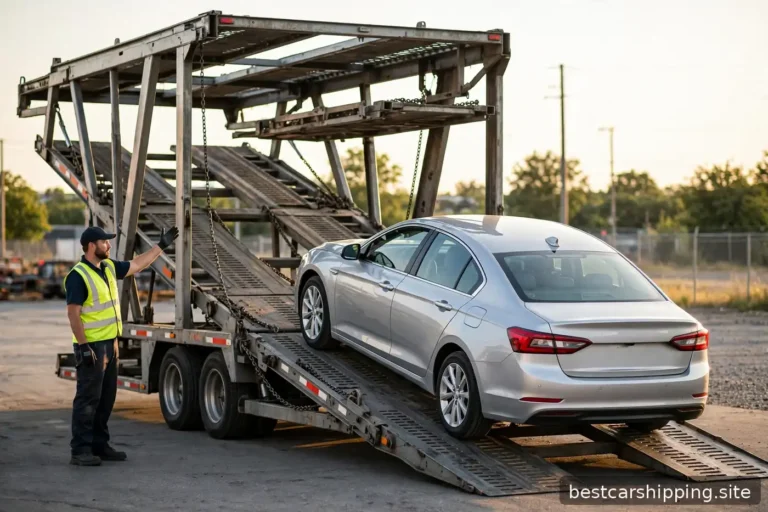
How Long Does Car Shipping Take? Realistic Timelines
# How Long Does Car Shipping Take? Realistic Timelines
The realistic answer: plan on 1–5 days for pickup after booking, plus transit time of 1–9 days depending on distance. A regional shipment often completes inside a week; a coast-to-coast move takes roughly two weeks door to door. Anyone promising your car across the country in three days is selling something that doesn’t exist.
Key takeaways
- Expect a 1–5 day pickup window after booking — this is normal, not a delay.
- Carriers cover roughly 350–500 miles per day once your car is loaded.
- Coast-to-coast transit runs 6–9 days; total door-to-door is about two weeks.
- Weather, mechanical issues, and multi-car route logistics are the main delay causes.
- Book 2+ weeks ahead and keep your phone on — communication prevents most timeline pain.

The two phases: pickup window + transit
Car shipping time comes in two distinct phases, and confusing them causes most timeline frustration:
Phase 1 — Dispatch and pickup (1–5 days). After you book, the broker posts your vehicle to the carrier load board and a carrier accepts it. Then the driver calls to arrange the pickup day. This 1–5 day window is not a delay — it’s how the system works. Trucks run routes, not appointments. Easy Storage Search’s 2026 guide states it plainly: “allow 1 to 5 days for the shipper to assign a carrier and schedule pickup.”
Phase 2 — Transit (1–9 days by distance). Once your car is on the trailer, the clock runs on miles. Carriers typically cover 350–500 miles per day — less than you’d drive yourself, because the truck makes multiple pickup and delivery stops along the route and the driver is bound by hours-of-service regulations.
The key mindset shift: you’re not booking a taxi, you’re booking a seat on a multi-stop route. Your car is one of up to 10 vehicles sharing the truck’s itinerary.
Transit time by distance
Typical transit times once loaded (from 2026 industry data):
| Distance | Typical transit time |
|---|---|
| Under 500 miles | 1–2 days |
| 500–1,000 miles | 2–3 days |
| 1,000–1,500 miles | 3–5 days |
| 1,500–2,000 miles | 4–6 days |
| Coast to coast (2,500+ miles) | 6–9 days |
Add the 1–5 day pickup window on the front, and you get realistic door-to-door totals:
| Distance | Realistic door-to-door total |
|---|---|
| Under 500 miles | 2–7 days |
| 500–1,500 miles | 3–10 days |
| 1,500–2,500 miles | 5–11 days |
| Coast to coast | 7–14 days |
These are planning ranges, not promises. Most shipments land in the middle; the edges exist for weather, remote locations, and thin routes. For the cost side of these same distances, see our car shipping cost guide.
The full timeline, start to finish
Here’s what the process actually looks like, day by day, for a typical 1,200-mile shipment booked two weeks out:
- Day -14: You book. You compare quotes, verify the company’s FMCSA authority, sign the contract, and (maybe) pay a small deposit. Get the pickup window in writing.
- Days -14 to -10: Dispatch. The broker posts your car on the load board. A carrier running your corridor accepts it. The broker sends you the carrier’s name, the driver’s contact, and a narrower pickup window.
- Days -5 to -1: The pickup window. The driver calls — usually the day before or morning-of — with an estimated arrival time. You (or your designated person) meet the truck, walk the inspection together, sign the Bill of Lading, and hand over the keys.
- Days 1–4: Transit. Your car rides the route with its trailer-mates. The truck stops for other pickups and deliveries. You may get updates from the broker or driver; communication quality varies by company — ask about it before you book.
- Day 4–5: Delivery call. The driver calls with an estimated delivery time, usually with several hours’ notice.
- Day 5: Delivery. You inspect the car against the pickup Bill of Lading, note any new damage before signing, pay the driver the balance (often cash or cashier’s check — confirm the accepted payment method in advance), and take your keys.
Total elapsed: about three weeks from booking to delivery, with roughly one week of actual truck time. The booking lead time is the part most people underestimate — start the quote process at least two weeks before you need the car picked up.
What delays shipments
Delays are common enough that you should plan for them rather than be surprised by them:
- Weather. The biggest one. Snow, ice, hurricanes, and flooding slow or stop trucks outright. Winter shipments on northern routes and hurricane-season shipments in the Southeast carry the most weather risk.
- Mechanical issues. Trucks break down. A carrier with a disabled rig and no backup truck means your car waits — one reason asking about fleet size and backup plans isn’t rude, it’s prudent.
- Hours-of-service rules. Commercial drivers are legally limited in daily driving hours. A driver who hits their limit 100 miles from your delivery parks until morning. This is the law working as intended, not a company failing you.
- Multi-car logistics. Your car is one stop among many. If another customer’s pickup runs long or a delivery location is hard to access, the ripple reaches you.
- Low-ball dispatch delays. If your broker quoted too low, no carrier accepts the job, and your car sits unassigned while the broker quietly hopes capacity loosens — or comes back asking for more money. This is a booking problem disguised as a delay. It’s why comparing quotes honestly matters.
- Remote locations. Rural pickups and deliveries add deadhead time at both ends and fewer carriers willing to run the lane.
- Holidays. Thanksgiving week, Christmas/New Year, and major holiday weekends slow everything — fewer drivers working, more freight competing.
What delays are not: the 1–5 day pickup window (normal), the driver calling to meet nearby instead of at your exact address (normal), or transit taking the long end of the range on a thin route (normal).

Expedited and guaranteed options
When the standard timeline doesn’t work, faster options exist — at a price:
- Expedited shipping. Your car gets priority dispatch — posted at a premium rate that attracts a carrier faster. Cuts the pickup window, not the transit speed. Expect a meaningful surcharge.
- Guaranteed pickup date. The broker commits to a specific pickup day, usually by paying a carrier a premium. Get it in writing with the remedy stated (what happens if they miss it?).
- Exclusive/single-car transport. Your car alone on a truck or trailer, point to point. The fastest option and by far the most expensive — you’re paying for the whole truck.
Be skeptical of “express” labels that don’t specify what is faster. A company advertising “express shipping” should be able to tell you exactly which phase speeds up and by how much. Vague speed promises are marketing; specific ones are service.
Planning your move around the timeline
Practical planning advice, learned from watching how shipments actually go:
- Book 2+ weeks before you need pickup. This is the single highest-leverage planning move — more carriers bid, prices drop, and you stop racing the clock.
- Don’t schedule the car to arrive the day you need it. Build 2–3 days of buffer at the delivery end. Rent a car, borrow one, or plan around it — the buffer is cheaper than the stress.
- If you’re flying, fly after the pickup, not before. Someone must hand over the car and sign the Bill of Lading. Coordinate the pickup contact (it can be a friend or family member) before you board.
- Keep your phone on during the window. The driver’s day-of call is the whole coordination mechanism. Missed calls become missed pickups become delays.
- Winter and holiday shipments: add buffer. Weather and holiday capacity make the ranges wider. A Christmas-week shipment with zero buffer is a plan, not a hope — a bad plan. Our holiday season shipping guide has timing tips for Thanksgiving and Christmas moves.
- Snowbird season (Sept–Nov southbound): book early. The annual migration to Florida and Arizona tightens capacity on those lanes every fall. Our snowbird shipping guide covers the booking window.
Frequently asked questions
Can I track my car during shipment?
Sometimes. Some brokers offer GPS tracking or regular updates; many smaller operations just give you the driver’s phone number. Ask what tracking or update cadence is included before you book — and get it in the contract if it matters to you.
What happens if the carrier is late?
First, define “late” — against the pickup window and the transit range, not against your hopes. If the shipment genuinely misses its contracted terms, contact the broker (your contract is with them). Document everything in writing. For guaranteed services, the contract should state the remedy.
Can I change the delivery address mid-shipment?
Sometimes, if the new address is near the truck’s route — but expect a fee and no guarantees. The truck’s route is planned around multiple vehicles; rerouting one car ripples through the rest. Tell the broker as early as possible.
Does enclosed transport take longer?
Slightly, on average — fewer enclosed trucks means longer dispatch times. The transit speed is the same once loaded. If you’re on a tight timeline with a valuable car, book enclosed earlier than you would open.
How far in advance can I book?
Most brokers accept bookings weeks or even months out, though quotes that far ahead are softer estimates. Two to four weeks is the sweet spot: firm enough to dispatch against, fresh enough to reflect real capacity.
The timeline isn’t mysterious once you see the two phases: a 1–5 day pickup window while a carrier is found, then 350–500 miles a day of actual travel. Plan around those numbers with a few days of buffer, keep your phone on, and car shipping becomes what it should be — uneventful.